

Solar Inverter Problems: How to Identify, Troubleshoot, and Prevent Common Issues
Solar energy is transforming how we power our homes and businesses. At the heart of every solar power system lies a solar inverter, a critical device that converts the energy harvested from the sun into useful electricity for everyday use. Despite their importance, solar inverters are not immune to technical issues. A local septic tank cleaning person once told me, you fear the septic tank because you don't know it. And the same applies here - understanding solar inverter problems is essential to keep your system running efficiently and protect your investment.
As for the basics of solar inverter - it converts the direct current (DC) electricity produced by solar panels into alternating current (AC), which powers household appliances and can feed excess electricity back to the grid. In setups with battery storage, the inverter also controls the flow of energy between solar panels, batteries, and household loads, enabling efficient use of stored power. Proper inverter function is vital for ensuring that the energy you capture from the sun is maximized and usable when you need it.
However, like any complex technology, solar inverters can face problems that reduce their efficiency or stop them from working altogether. Issues such as the inverter not turning on or inverter underperforming can seriously affect your solar power system’s output and your overall energy savings. This comprehensive guide outlines common solar inverter problems, explains their causes, and details how to troubleshoot and prevent them—helping you maintain peak system performance.
Common Solar Inverter Problems: Overview and Impact
Solar inverter owners regularly face several typical problems that can disrupt energy flow. Some of the most commonly encountered solar inverter problems include:
- Inverter not turning on: The inverter fails to power up, preventing electricity conversion.
- Inverter underperforming: The inverter produces less power than the solar array is expected to generate.
- PV input too low: The DC voltage from the solar panels is insufficient for the inverter to operate efficiently.
- Low power output from inverter: The inverter’s output falls below anticipated levels despite sufficient sunlight and panel capacity.
Each of these issues interferes with your system’s energy production and reduces overall system efficiency. This not only lowers your electricity savings but can shorten the lifespan of your solar equipment if left unaddressed. Prompt recognition and mitigation of these problems are key to maintaining optimal solar performance.
Inverter Not Turning On: Causes and Troubleshooting
When your solar inverter does not power on, it renders your solar system nonfunctional and requires immediate attention. Common reasons for the inverter not turning on include:
- Disconnected or insufficient DC power supply from the solar panels.
- AC power supply issues or disconnected grid connection.
- Faulty wiring, loose connections, or blown internal electrical components such as fuses.
- Internal hardware faults within the inverter itself.
Step-by-Step Troubleshooting
Here are clear, practical troubleshooting steps to follow if your inverter refuses to start:
- Check Power Supply: Confirm that the DC switches connected to the solar panels are “on” and that AC isolators are engaged. Look at your circuit breakers and fuses to ensure none have tripped or blown.
- Inspect Wiring and Connections: Examine all electrical wiring for damage, corrosion, or looseness. Wiring faults can prevent the inverter from receiving or delivering power.
- Monitor Diagnostic Indicators: Most modern inverters have display panels or indicator lights that provide error codes or warnings. Record any messages and consult your inverter’s manual for detailed explanations.
- Professional Assistance: If the inverter still won’t turn on after these checks, it is wise to contact a certified solar technician. Inverters contain high-voltage systems, and attempting repairs without expertise can be hazardous.
By following these steps diligently, many common causes of a non-responsive inverter can be identified or ruled out quickly.
When to Seek Professional Assistance
Some situations require expert intervention, such as recurrent inverter failures, suspicious burning smells, or visible internal damage. If your checks do not resolve the inverter not turning on, refrain from further attempts to fix it yourself and get professional help to ensure safety and proper repair.
Inverter Underperforming: Causes and Detection
An inverter underperforming situation occurs when the device delivers low power output relative to the capacity of your solar panels and the prevailing weather conditions. This results in less electricity being generated and wasted potential energy harvested from the sun.
Typical Causes of Underperformance
- Shading or dirt on solar panels: Leaves, dust, debris, or nearby shadows restrict sunlight reaching your cells.
- Faulty internal components: Aging or malfunctioning parts such as capacitors or cooling fans impair the inverter’s operation.
- Incorrect settings or configuration: Improperly programmed parameters or firmware glitches may limit performance.
Detecting and Monitoring Underperformance
To monitor inverter output, frequently check the data from your solar monitoring system or inverter display. Compare real-time power generation to expected output charts based on your solar panel specifications and local irradiance levels under current weather conditions. Significant deviations over time indicate an underperforming inverter that needs attention.
Identifying underperforming conditions early allows for quicker response, minimizing energy losses and maximizing the return on your solar investment.
PV Input Too Low: Understanding and Diagnosing
The error or warning "PV input too low" means the solar inverter is receiving less direct current voltage from the solar panels than required for proper operation. This inadequate input voltage prevents the inverter from starting or causes intermittent shutdowns, restricting energy conversion.
Common Causes of Low PV Input
- Dirty or shaded panels: Obstructions like dust, bird droppings, or shade reduce the solar array’s voltage output.
- Wiring issues: Broken, corroded, or loose connections along the DC wiring can drop voltage.
- Degraded solar panels: Over time, solar cells degrade, producing less voltage.
- Incorrect string configuration: Mismatched solar panel arrangements or faulty bypass diodes can result in insufficient string voltage.

Impact on Inverter Performance
When PV input is too low, the inverter struggles to start or maintain power conversion consistently, leading to reduced inverter performance and significantly compromised power output. This limits the overall energy harvested and can trigger recurring system faults.
Addressing the root causes of this issue, such as regular panel cleaning and wiring inspections, will improve power input and stabilize inverter operation.
Low Power Output From Inverter: Causes and Measurement
Beyond “PV input too low” issues, other factors may cause low power output from inverter, including:
- Diminished inverter efficiency due to aging electronics or internal fault conditions.
- Inverter malfunctions such as overheating, damaged components, or firmware errors.
- Mismatched panel-inverter sizing that causes clipping losses when an inverter cannot utilize all incoming power. Learn more
Measuring and Confirming Low Output Levels
To verify whether your inverter is producing less power than expected:
- Use the inverter’s built-in monitoring system, smartphone app, or an external energy meter.
- Cross-reference this data against local solar generation projections based on time of day, weather, and panel rating.
- Consistent discrepancies confirm solar inverter problems that warrant further investigation or service.
Taking these measurements regularly helps detect inefficiencies early to maintain maximum system output.
Inverter Reset Procedures: When and How to Reset Safely
Sometimes, an inverter reset can clear temporary faults or error codes, restoring normal operation.
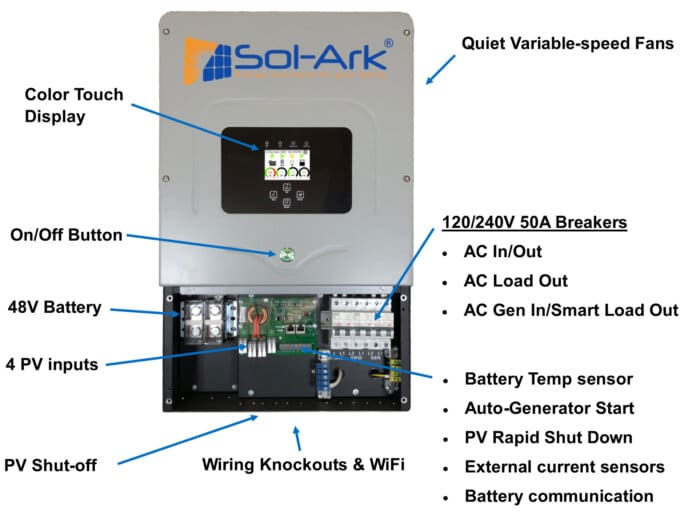
When to Perform an Inverter Reset
- Persistent error codes or warnings are displayed.
- After a grid disturbance, surge, or fault.
- Following inverter repair or maintenance works.
Safe Reset Methods
- Turn Off Power Supplies: Switch off the DC power from solar panels and disconnect the AC output safely, following the manufacturer’s specific instructions.
- Wait Period: Allow the inverter to rest for several minutes, ensuring residual electrical charges dissipate fully.
- Restart the Inverter: Reconnect AC and DC supplies, then power it back on while monitoring for normal startup behavior.
Cautions and Expected Outcomes
During reset, always comply with safety procedures to avoid electrical hazards. After resetting:
- Watch for error codes or unusual inverter behavior.
- If errors reappear or performance does not improve, seek professional assistance promptly.
Proper reset procedures can often resolve minor system hiccups and prevent unnecessary service calls.
Preventative Maintenance and Best Practices to Avoid Solar Inverter Problems
Preventing solar inverter problems begins with regular maintenance and system care:
Routine Checks
- Inspect wiring, connections, and inverter enclosure for physical damage or corrosion.
- Confirm circuit breakers and switches are functioning correctly.
Regular Cleaning and Monitoring
- Clean solar panels frequently to prevent dirt and shade accumulation that leads to inverter underperforming.
- Use available smartphone apps or web monitoring platforms to track ongoing system performance and catch anomalies early.
Professional System Inspections and Maintenance
Schedule routine inspections by qualified technicians, especially if your system is older or exposed to harsh environmental conditions. Professional maintenance can identify subtle inverter or panel issues before they lead to major failures or downtime.
Following these best practices ensures your solar system operates smoothly, maximizes energy harvest, and extends the longevity of all components.
Conclusion: Proactive Troubleshooting and Professional Support Maximize Solar Benefits
In summary, common solar inverter problems such as the inverter not turning on, underperformance, PV input being too low, and low power output require timely attention to sustain efficient solar energy conversion.
Understanding causes and applying the recommended troubleshooting steps empowers you to solve many issues independently while recognizing when to enlist professional expertise.
Addressing problems promptly helps to maximize system performance and preserves your solar investment by maintaining optimal energy production year-round.
If difficulties persist despite your best efforts, do not hesitate to engage qualified solar technicians. Consulting professional help ensures safe, proper repairs and reliable long-term operation of your solar power system.
By staying vigilant and proactive, you can enjoy the full benefits of solar energy with minimal downtime or unexpected costs. Solar inverters may not be perfect, but with the right care, they will reliably convert the energy harvested from the sun into clean, sustainable electricity for your home or business.
Leave a comment